More women than men now complete college
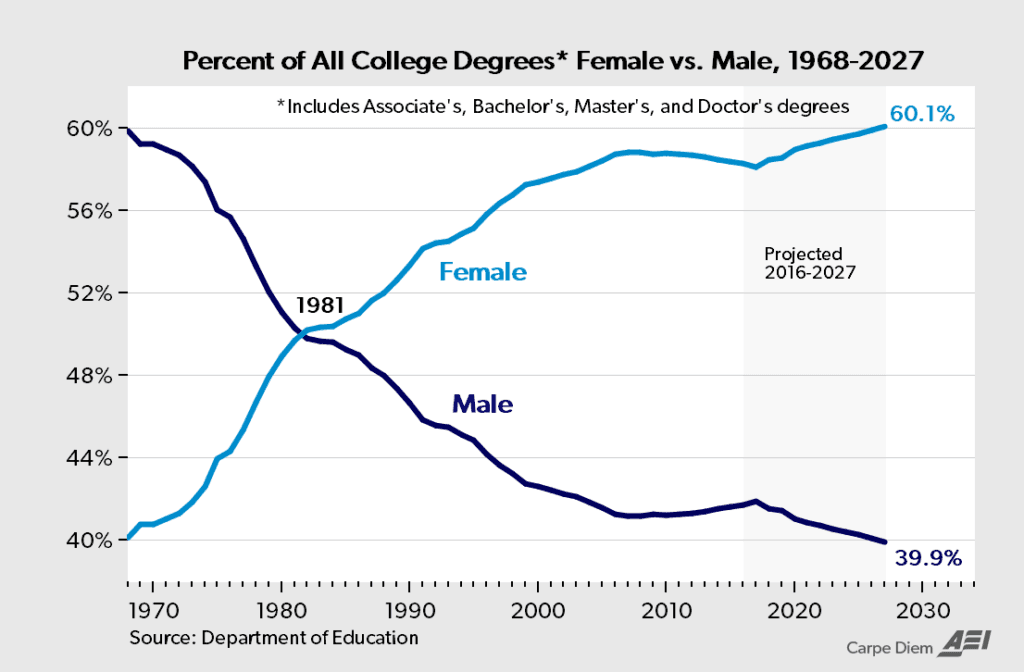
In recent decades, women have been completing college degrees at higher rates than men. As of 2023, 47% of U.S. women aged 25–34 hold a bachelor’s degree compared with 37% of men in the same age group, according to Pew Research Center. This widening “reversed gender gap” in education exists across racial and ethnic groups.
This means that in many communities, there are now more highly educated women looking for partners. In traditional dating norms where women may seek partners with at least equal education, this demographic shift creates new challenges for assortative mating (partner matching based on similar traits).
How education changes dating expectations
For many college‑educated women, matching with a partner who has comparable education or career goals has become an important factor. As a result, some women become more selective. At the same time, less‑educated men may feel pressure to meet those criteria or feel excluded from dating pools where educational parity is assumed. This can lead to new patterns: Whereas in the past women often practiced hypergamy (dating “up” in education or income), more women now experience hypogamy (dating “down” academically), or end up without similarly educated partners due to shortage in supply.
Assortative mating and educational matching
Sociologists refer to the pattern of people partnering with others of similar educational levels as educational assortative mating. Over time, researchers have found increasing rates of this matching, which tends to reinforce income inequality and social class boundaries.
A study led by Dr. Yolien De Hauw of the University of Leuven in Belgium found that the reversed gender gap in education corresponds with a shift in mating patterns: while hypergamy (women dating more educated men) was once more common, it is increasingly less prevalent among younger cohorts. Instead, more women partner across educational levels or remain single longer while searching for partners with shared values.
Stigma and dating challenges
Despite social progress, some cultural stigma remains around women being more educated than their partner—especially among older adults. Some women over 40 report subtle judgment when their academic or career achievements exceed those of their partner.
However, research suggests not all men are discouraged by this dynamic. A study published in Journal of Adolescence found that men using dating apps like Tinder did not show strong preferences for educational similarity, suggesting openness to dating more educated women among some groups.
Online dating and education as a filter
On platforms like Hinge and Bumble, education level often appears as a key search filter. For some users, education acts as a proxy for intellectual compatibility or life goals. This can reflect deeper preferences such as shared values, ambition, or social class expectations.
But there’s also risk: setting strict filters based on education may limit users from connecting with compatible partners who shine in other areas. Experts warn that narrow criteria can fuel dating fatigue and reduce meaningful matches.
Relationship stability and educational similarity
Studies show that couples with similar levels of education may experience higher relationship stability. A study by Kelly Musick et al of Cornell University found that educational compatibility can influence household decision-making, financial planning, and shared future goals. On the flip side, large educational gaps in a relationship may introduce tensions—from income disparities to differences in communication style or ambition. Still, many successful couples thrive across educational differences through mutual respect, emotional connection, and aligned values.
Individual differences matter most
It’s important to emphasize: not all highly educated women prioritize education in a partner. Many value emotional intelligence, shared hobbies, or ambition more than academic background. Similarly, many men actively seek intellectual partners and don’t feel intimidated by success. Today, dating is increasingly shaped by flexibility and self-awareness. Education may play a role, but it’s far from the only factor that shapes compatibility.
Summary: What shifting education gaps mean in dating
As women increasingly earn degrees at higher rates than men, dating dynamics are evolving. The traditional pattern of “marrying up” is declining, while new models of partnership—based on shared values rather than credentials are gaining ground. While some challenges remain, so do opportunities for more balanced, thoughtful connections.
Key Takeaways
- Women aged 25–34 are now more likely than men to have college degrees, shifting partner dynamics in dating markets.
- More women are entering relationships where they have higher education levels than their partners reversing traditional norms.
- Relationship success depends more on communication, ambition, and respect than on formal education levels alone.
FAQs
What is educational assortative mating?
It refers to the tendency of people to date or marry partners with similar levels of education. It’s increasingly common, especially among college graduates.
What is hypergamy and is it still common?
Hypergamy is when someone dates or marries “up” in education or income. It’s becoming less common as more women surpass men in education and earnings.
Does being more educated than your partner harm a relationship?
Not necessarily. Shared values, communication, and emotional intelligence matter more for relationship health than education alone.
Keep Reading
- Why the College Dating Divide Matters – How education gaps are affecting who finds love on campus and beyond.
- Assortative Mating Trends Over Time – How partner selection by education has changed across generations.
- Hypergamy in Modern Relationships – Whether “marrying up” still shapes dating for today’s women.
- How Education Filters Shape Online Dating – Why education is often a key criterion for compatibility.
- Do Educational Matches Predict Stability? – The science behind education and lasting love.
- Modern Dating: Rethinking Standards and Values – How to find balance in what you seek—and what you offer.