
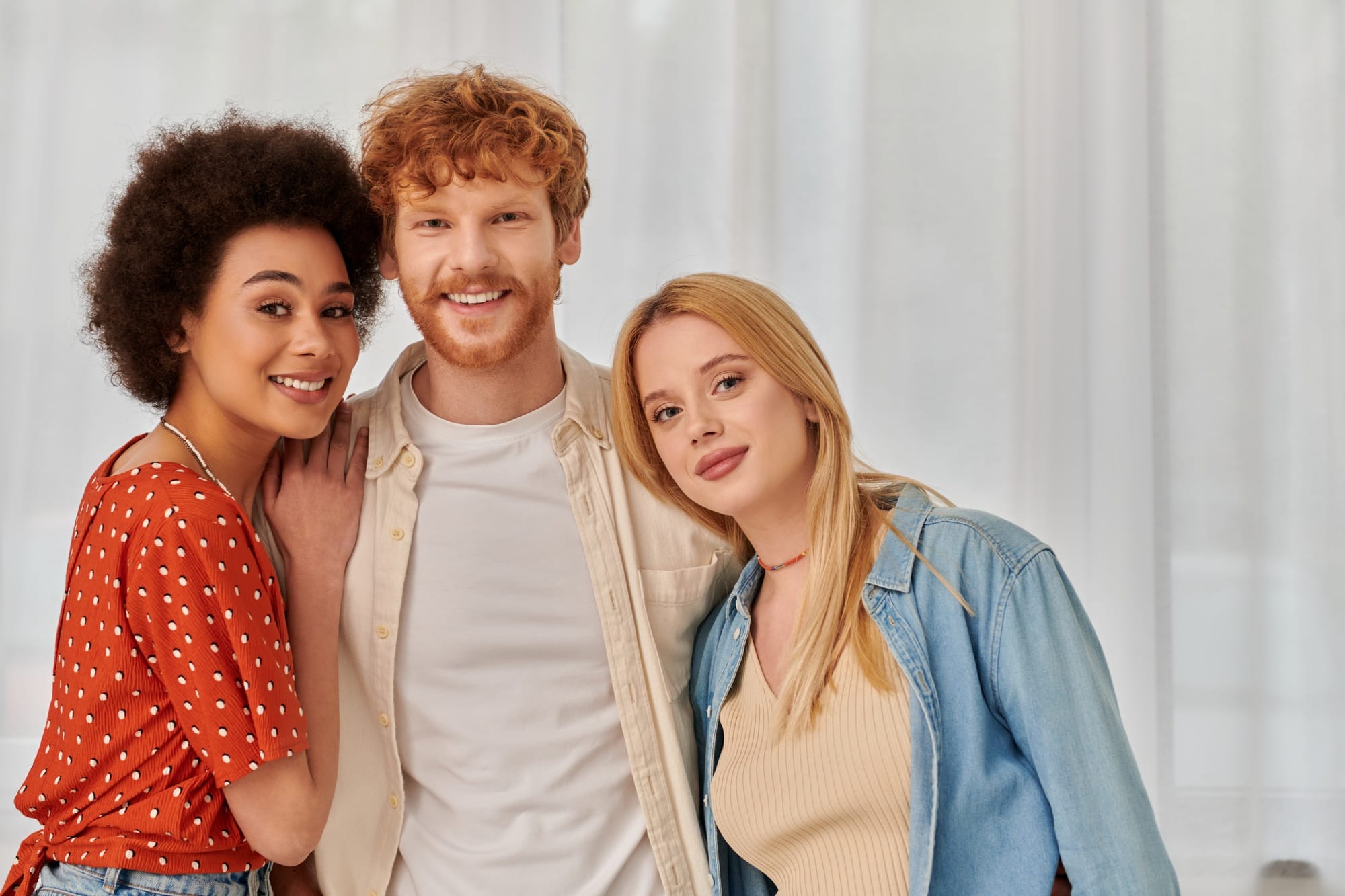
What Is Polyamory?
Polyamory means having romantic relationships with multiple people at the same time, with everyone’s full knowledge and consent. This is different from cheating because all partners know about each other and agree to this arrangement. Ethical non-monogamy (ENM) is a broader term that includes polyamory, open relationships, and swinging – all types of consensual non-monogamous relationships.
According to relationship expert and polyamory practitioner with six years of experience using dating apps, “your location considerably influences your experience because the best poly dating app will genuinely depend on where you are.” This means you might need to try several apps to find which ones work best in your city or country.
Recent data shows that polyamorous people are likely to continue using dating apps throughout their lives, making specialized platforms increasingly important. OkCupid reports that 39% of users said they could be convinced to try polyamory when asked about committed polyamorous relationships, showing growing acceptance of these relationship styles.
Polyamory Dating Apps
Feeld consistently ranks as the most recommended polyamorous dating app globally. Originally called “3nder,” this app evolved from helping couples find a third person to becoming an inclusive space for different sexualities and gender identities searching for connection. Feeld allows you to scroll through profiles without making immediate yes/no decisions, and their new Constellation feature lets you connect your profile to multiple partners.
PolyFinda was designed by the polyamorous community specifically for polyamorous, ENM, swinging, and kink-oriented communities. The platform emphasizes that “consent is sexy” and celebrates love in its many forms, while also hosting offline events for community building.
Plura (formerly Bloom Community) stands out by serving polyamorous, ethically non-monogamous, and open-minded relationship communities with flexible matching that supports solo profiles, couple profiles, or linked partners. The app uses consent-based communication where users can set boundaries on what kinds of messages they want to receive.
Is Hinge or Tinder Better for ENM?
OkCupid offers extensive profile options for gender, sexual orientation, and relationship styles, including non-monogamy, with an algorithm that emphasizes compatibility. The platform has been ahead of the curve in inclusivity, adding “open relationship” and “non-monogamous” options in 2014 and including 12 sexual orientation options and 22 gender options.
Hinge has evolved to include monogamous/non-monogamous filters and allows detailed explanations of relationship preferences. Both Grindr and Bumble have recently added ENM labels, showing how mainstream apps are becoming more inclusive of alternative relationship styles.
The shift toward inclusivity makes business sense because polyamorous people are likely to continue using dating apps throughout their lives, leading experts to question whether dating apps were even designed for monogamy.
List of Polyamory Dating Apps
| App Name | Best For | Key Features | Cost | User Base Size |
|---|---|---|---|---|
| Feeld | Experienced poly users, kink-friendly community | Constellation linking, no pressure browsing, couple profiles | Free with 40 likes/day, Majestic membership available | Global reach, 30% annual growth |
| OkCupid | Beginners, personality-based matching | Detailed questionnaire, 22 gender options, partner linking | Free basic, Premium available | 91+ million matches annually |
| PolyFinda | Community-focused poly users | Community events, anonymous chatting, UK-designed | Free to join | Growing poly community |
| Plura | Consent-focused, event-based connections | Event listings, consent communication, flexible profiles | Free with premium options | Expanding rollout |
| #Open | Solo and partnered profiles | Hashtag interests, dual profiles, community events | Free with premium features | 100,000+ members |
| MoreThanOne | No-swipe approach, detailed profiles | Profile-based matching, private options, ad-free | Completely free | Smaller but focused |
| Boo | Personality matching, community forums | 16 personality types, interest-based “Universes” | Free tier available | Growing user base |
| Hinge | Serious relationships, detailed preferences | Non-monogamous filters, limited daily matches | $29.99/month Hinge+ | Rapidly growing |
How to Choose the Right App for Your Needs
Your choice depends on what you’re looking for and where you live. If you’re new to polyamory, experts recommend trying multiple apps because only one or two have truly global reach, while most are specific to certain areas. For beginners, communication skills are essential for success on any platform.
Apps like Boo and OkCupid work well for those seeking deep, meaningful connections through personality compatibility, while Feeld excels for users interested in kink-friendly, alternative relationship models. Plura is ideal for those who prioritize consent-based communication and want to meet people through shared events.
Consider your privacy needs as well. Some apps offer private profiles for extra discretion, which can be important if you’re not ready to be completely open about your relationship style. Safety considerations should always be a priority when meeting new people.
Tips for Success on Polyamorous Dating Apps
Honesty is crucial for success on any polyamorous dating platform. Experts emphasize being upfront about your ethically non-monogamous (ENM) status in your profile and seeking “like-minded folks” to match specifically with other polyamorous individuals. Never try to hide your relationship status or current partners.
If you’re looking to add a third person to your current relationship, make this clear and ensure both you and your current partner have account access. Total transparency is needed to make poly dating work – don’t be cagey or coy, because that comes from dishonesty.
Remember that building community connections is vital when you’re part of a relationship style minority, as it can feel isolating without support from others who understand your lifestyle. Many apps now offer community events and forums where you can connect with others beyond just dating.
Understanding Costs and Premium Features
Most polyamorous dating apps offer free basic memberships with optional premium upgrades. Feeld’s Majestic membership was previously the lowest-cost premium option among dating apps, but prices increased following their recent rebrand. Free users can still send up to 40 likes per day, which is substantial on an app with a smaller, more focused user base.
OkCupid’s Basic plan offers unlimited likes, unique preferences, and ad removal, while Premium allows you to view everyone who liked your profile and send SuperLikes. Mainstream apps like Bumble Premium ($34.99+/month) and Hinge+ ($29.99+/month) are pricier but offer access to larger user bases.
Free options like MoreThanOne prove that you don’t need to pay to find quality connections. When comparing dating app costs, consider trying free versions first before investing in premium features. Budget planning can help you determine which apps offer the best value for your specific needs.
What the Future Holds for Poly Dating Apps
Recent surveys show that 48% of adults in the USA have used online dating platforms to find love, with increasing acceptance of polyamory over the years. Studies on polyamory and ethical non-monogamy show growing acceptance of unconventional approaches to relationships in the United States.
The trend toward inclusivity across dating apps makes business sense, as it questions whether dating apps were ever truly designed for monogamy. Most well-known apps have shifted toward being more inclusive of all relationship styles over the past few years, suggesting this trend will continue.
Expect to see more specialized features for polyamorous users, including better partner linking systems, AI-powered matching for complex relationship dynamics, and enhanced community building tools. Apps like Plura are already pioneering consent-based communication features that may become standard across the industry.
Key Takeaways
- Specialized polyamorous dating apps like Feeld, PolyFinda, and Plura offer better community support and understanding than mainstream platforms.
- Location matters significantly for success; most poly apps work better in certain cities, requiring you to try multiple options.
- Honesty about your relationship style and current partners from the start leads to better matches and fewer disappointments.
FAQs
Which dating app should I try first if I’m new to polyamory?
Start with OkCupid or Boo for their beginner-friendly features and personality-based matching. These platforms help you understand compatibility while learning about polyamory. Their large user bases and detailed profiles make it easier to find like-minded people. Once comfortable, expand to specialized apps like Feeld or PolyFinda for more targeted connections.
How much should I expect to spend on polyamorous dating apps?
Many poly apps offer robust free versions – MoreThanOne is completely free, while Feeld allows 40 daily likes without payment. Premium features typically range from $20-40 monthly. Start with free versions to test which apps work in your area before investing. Consider your budget and try multiple free options simultaneously rather than paying for one expensive app.
Is it safe to use these apps if I’m married or in a relationship?
Yes, but only with full consent and knowledge from all current partners. These apps are designed for ethical non-monogamy, meaning everyone involved knows and agrees. Never use them to cheat or hide relationships. Many apps offer couple profiles or partner linking features specifically for this purpose. Always discuss boundaries and expectations with existing partners first.
Keep Reading
- Essential Communication Skills for Polyamorous Relationships – Learn the fundamental conversation techniques and boundary-setting strategies that make multiple relationships successful and fulfilling.
- Different Types of Ethical Non-Monogamy Explained – Understand the distinctions between polyamory, open relationships, swinging, and other consensual non-monogamous relationship styles.
- Safety Guidelines for Meeting Partners Through Dating Apps – Protect yourself with essential safety practices for meeting new people online, especially when exploring alternative relationships.
- How to Handle Jealousy in Polyamorous Relationships – Discover practical strategies for processing and managing jealousy while building healthy, secure connections with multiple partners.