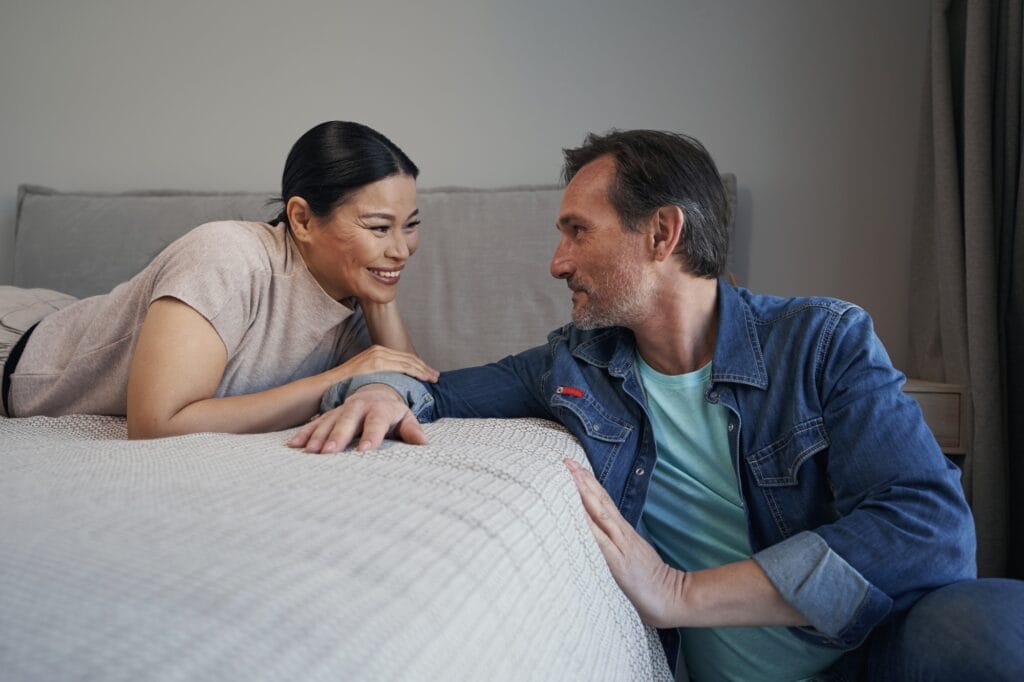

Research on nonverbal communication demonstrates that dating profile photos communicate far more emotional information than most people realize. Studies using eye-tracking technology show that viewers form judgments about emotional availability, stress levels, and relationship readiness within 50 milliseconds of viewing a photo (van der Zanden et al., 2022).
Scientists who study facial expressions and body language have identified specific visual markers that accurately predict how others will perceive your emotional state. These unconscious signals operate independently of physical attractiveness, meaning that conventionally attractive people can appear emotionally unavailable while less conventionally attractive individuals can seem highly approachable based purely on their nonverbal presentation.
Understanding these visual communication patterns serves two crucial purposes: helping you present authentic emotional availability in your own photos, and developing the ability to accurately assess potential matches’ emotional readiness. The key insight from psychological research is that emotional states create measurable changes in facial muscle tension, posture, and eye behavior that cameras capture and human brains automatically process (Patterson et al., 2023).
The Science of Authentic Versus Forced Smiles
Facial expression research identifies critical differences between genuine and performed emotional displays. Authentic smiles, known scientifically as “Duchenne smiles,” involve coordinated movement of both the mouth muscles and the muscles around the eyes, creating distinctive crinkles and slight changes in eye shape. Research shows that people can distinguish authentic from forced smiles with remarkable accuracy, even in static photographs.
Forced or “social” smiles activate only the mouth area while leaving the eyes unchanged. These expressions often appear in dating profiles when people feel pressure to look happy or approachable but are not experiencing genuine positive emotions during the photo session. Studies demonstrate that forced smiles actually decrease perceived attractiveness and trustworthiness compared to neutral expressions (Hopfensitz and Mantilla, 2023).
The implications for dating profiles are significant. Photos taken during periods of emotional stress, relationship processing, or general unhappiness will likely display forced emotional expressions that viewers unconsciously recognize as inauthentic. This creates the paradoxical situation where trying too hard to appear happy can actually communicate emotional unavailability or internal conflict.
How Stress and Emotional Tension Show Up in Photos
Psychological stress creates measurable changes in facial muscle tension that appear clearly in photographs. Research on emotion recognition shows that stress manifests through tightened jaw muscles, slightly narrowed eyes, and subtle changes in forehead muscle activation. These micro-expressions occur automatically and are extremely difficult to consciously control (Blomberg et al., 2021).
Body language research identifies additional stress indicators including raised shoulder tension, crossed or defensive arm positions, and reduced eye contact with the camera. People experiencing emotional difficulties often unconsciously adopt protective postures that communicate guardedness or withdrawal, even when they consciously intend to appear open and approachable.
Interestingly, these stress signals appear regardless of photo quality, lighting, or styling. Professional photographers and dating coaches often notice that clients going through difficult emotional periods struggle to produce genuinely engaging photos, not due to technical factors but because of the unconscious emotional signals their bodies are transmitting.
Why Eye Contact and Gaze Direction Matter More Than You Think
Eye behavior research reveals that gaze patterns communicate critical information about emotional state and social engagement. Direct eye contact with the camera signals confidence, emotional availability, and willingness to connect. Research shows that photos with strong, comfortable eye contact receive significantly higher engagement rates and positive responses on dating platforms.
Averted gaze or looking away from the camera can suggest several emotional states: shyness, emotional withdrawal, or discomfort with vulnerability. While occasional varied gaze directions create visual interest, profiles containing exclusively indirect eye contact often communicate emotional unavailability or social anxiety.
Pupil dilation, though subtle in photos, also provides emotional information. Research demonstrates that genuine interest and positive emotional states create measurable pupil changes that viewers unconsciously process. This explains why photos taken during periods of genuine happiness or excitement often appear more engaging than technically superior images shot during emotional low periods.
The Hidden Messages in Photo Composition and Setting Choices
Environmental psychology research shows that photo settings communicate significant information about emotional state and social connectivity. Profiles containing only indoor, private-space photos (bedrooms, bathrooms, cars) can unconsciously signal social withdrawal or isolation, common responses during relationship recovery periods.
Social context in photos provides crucial emotional information. Research on emotional availability demonstrates that healthy relationship readiness correlates with maintained social connections and community engagement. Photos that include friends, family, or social activities signal emotional balance and suggest someone who maintains supportive relationships during both positive and challenging periods.
The timing and context of photo selection also matters psychologically. People often choose photos based on how they looked rather than how they felt when the image was captured. However, viewers unconsciously respond more to the emotional energy captured in the moment than to purely physical appearance factors.
How Different Emotional States Create Distinct Visual Patterns
Attachment theory research identifies how different emotional processing styles appear in visual presentation. Individuals with anxious attachment patterns often choose photos that seem to seek validation or approval, while those with avoidant attachment may select images that appear distant or emotionally protected.
Depression and emotional numbness create specific visual signatures including reduced facial expressiveness, lower energy posture, and what researchers call “flat affect” – expressions that appear emotionally muted or disconnected. These patterns appear even in professionally styled photos because they reflect underlying neurological changes associated with mood disorders.
Conversely, emotional healing and relationship readiness create measurable changes in facial expressiveness, posture, and overall energy presentation. Research shows that people in healthy emotional states naturally display more varied expressions, comfortable body language, and genuine engagement with their environment and social connections.
Practical Guidelines for Emotionally Honest Photo Selection
The goal of understanding photo psychology is not to manipulate your appearance but to ensure your visual presentation accurately represents your current emotional state and relationship readiness. If you are in a healing period, choosing photos that reflect this honestly serves both your interests and those of potential matches.
Research suggests waiting to update dating profile photos until you feel genuinely positive emotions during the photo session. Images captured during authentic good moods, social engagement, or moments of genuine happiness communicate emotional availability more effectively than any styling or technical improvement.
For evaluating potential matches, look for consistency between multiple photos and overall emotional energy. Profiles where all images show similar stress indicators or emotional withdrawal patterns may suggest someone still processing difficult experiences. Conversely, photos showing varied, authentic expressions and comfortable social engagement typically indicate emotional readiness for new connections.
Remember that photo analysis provides information, not definitive judgments. People experience temporary stress, have bad photo days, or may simply be camera-shy. The key is recognizing patterns across multiple images and combining visual information with other profile elements to develop a complete picture of someone’s emotional availability and relationship readiness.