

Millions of dating app users from marginalized communities face a troubling question: does this person actually like me, or am I just fulfilling their fantasy? Research reveals that racial fetishization is a regular occurrence on dating apps , while 64.2% of transgender individuals report being fetishized, with 53.2% of these experiences occurring on dating apps.
This analysis examines how to distinguish between genuine romantic interest and fetishization across different dating app experiences. The research draws from studies on racial, body type, and gender identity fetishization, revealing common patterns that help users identify when they’re being valued as a person versus being treated as an object of desire.
The findings show that fetishization often follows predictable patterns regardless of what specific aspect of someone’s identity is being objectified, making it possible to learn the warning signs and protect oneself from these harmful interactions.
Understanding Fetishization vs. Genuine Attraction
The key difference between healthy attraction and fetishization lies in how someone sees you as a complete person. Fetishization happens when people are only interested in you for their own gratification, without showing an interest in the needs, desires, and individuality of the person they’re talking to .
When someone fetishizes you, there’s a loss of respect and a stripping away of that respect, which feels like a loss of humanity . You become reduced to whatever characteristic they find exciting rather than being seen as a whole person with thoughts, feelings, and experiences beyond that single aspect.
Genuine attraction, on the other hand, includes physical interest but extends to curiosity about your personality, values, hobbies, and life experiences. Someone who genuinely likes you will want to know about your job, your family, your dreams, and what makes you laugh – not just the physical or identity characteristic that initially caught their attention.

Common Patterns of Fetishization
Fetishization manifests similarly across different marginalized communities. From overtly sexual messages to microaggressions disguised as compliments, dealing with racial fetishization on dating apps has become a large part of dating for Black women and many other people of color .
For plus-size individuals, the experience often involves immediate comments about body type. For fashion and beauty writer Nicolette Mason, the red flags are when someone starts a conversation by commenting on her body, anytime someone automatically goes into fetish mode like “Oh, I love big girls. I love plus size women” .
Similarly, transgender individuals report being approached primarily about their gender identity. People have said things like “I think it’s kind of hot that you’re a chick with a dick” and bluntly asked to give oral sex as soon as someone discloses that they’re trans.
Red Flags to Watch For
Several warning signs consistently appear when someone is fetishizing rather than genuinely interested in you. The most obvious red flag is when conversations immediately focus on the aspect of your identity they find appealing rather than getting to know you as a person.
If you’re asked about your heritage within 10 seconds of the first conversation, it becomes demeaning, as if your perceived racial ambiguity has overtaken your status as an actual human being, making your existence exoticized . This immediate focus on identity over personality indicates fetishization.
Another major red flag involves language that treats you like a category rather than an individual. If someone’s opening message is about their love for BBW (a term imported from porn to the dating world, meaning Big Beautiful Women), they aren’t messaging you, they’re messaging a body type .
Pay attention to whether someone uses respectful language or terminology that sounds like it comes from adult websites. Many men who like trans women don’t understand calling them “trannys” isn’t okay until that’s explained to them, but their initial choice of language reveals their mindset.
How Conversations Develop Differently
The progression of conversations reveals important differences between genuine interest and fetishization. When someone genuinely likes you, they ask questions about your life, interests, and experiences that have nothing to do with the characteristic they initially found attractive.
In contrast, fetishizing conversations remain focused on physical aspects or stereotypes. Chasers’ behavior shows they won’t notice or care that you’re a skater, a writer, a gamer, or an avid reader . They might compliment your appearance extensively but show little curiosity about your personality or life experiences.
Someone who fetishizes you might also make assumptions based on stereotypes. Asian women often face expectations of being docile and submissive because of stereotypes, and typically get ghosted after dates see that’s not their personality . These assumptions reveal that the person never saw you as an individual in the first place.
The Long-Term Relationship Test
One of the clearest ways to distinguish fetishization from genuine interest is considering the person’s long-term intentions. Many caucasian men who fetishize people of color will consider them as a one night stand or as a hookup, but they won’t actually consider them as potential candidates for a long-term relationship .
This pattern appears across different types of fetishization. Someone might be sexually interested in you because of a particular characteristic but not see you as “relationship material” for the same reason. They’re attracted to the fantasy or novelty rather than building a genuine connection.
Pay attention to whether someone talks about future plans, introduces you to friends, or treats your relationship as something they’re proud of rather than something secret or shameful. No matter how much the chaser gushes over how beautiful a woman you are, that’s not how he really thinks of you at all.
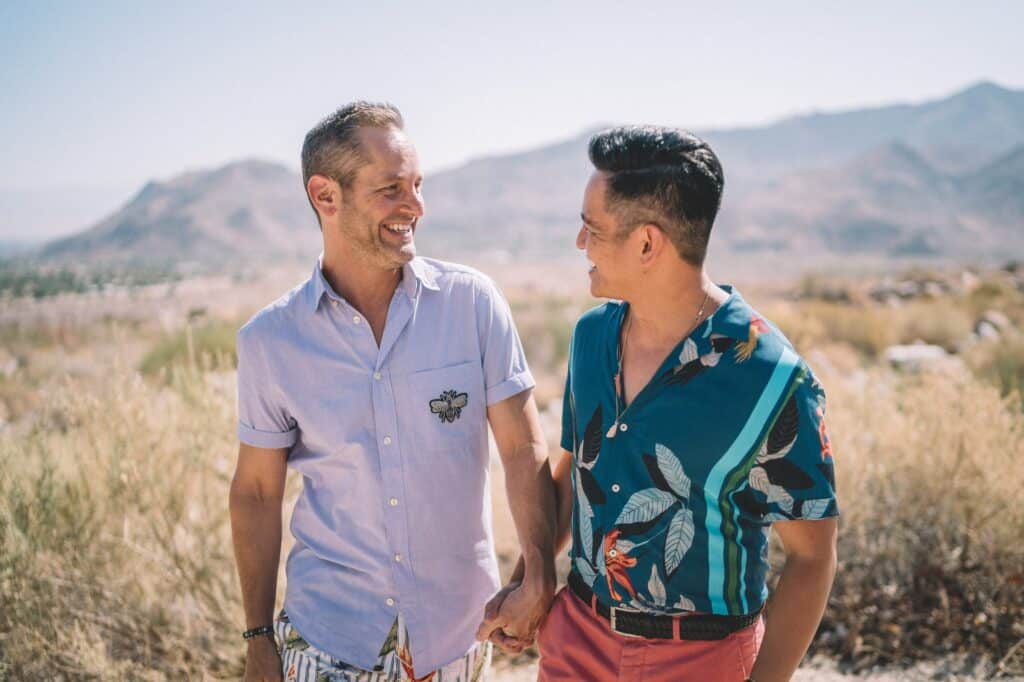
Positive Signs of Genuine Interest
Recognizing genuine interest helps balance the focus on red flags. Someone who genuinely likes you will show interest in multiple aspects of your life and personality. They’ll ask about your work, hobbies, family, and goals in ways that demonstrate they want to understand who you are as a complete person.
If someone maintains regular, respectful, and engaging conversations, it’s an indicator that they have a genuine interest in getting to know you . They’ll remember details from previous conversations and build on them, showing they’re actually listening rather than just waiting for their turn to talk.
Genuine interest also involves respecting your boundaries and preferences. They should be considerate about where you feel safest meeting and not demand that you meet them at your home, their home, or anywhere secluded . They’ll move at your pace rather than pushing for immediate intimacy or personal information.
How Different Communities Experience Fetishization
While the basic patterns of fetishization remain similar, different communities face specific challenges. Racial fetishization often involves stereotypes about personality traits or sexual behavior. Phrases like “Once you go Black, you don’t go back” and comparing attraction to “loving the taste of chocolate” are not only ignorant but stark examples of the fetishization of Black people .
Plus-size individuals frequently encounter assumptions about their confidence levels or sexual availability. Men often message saying things like “Do you want to meet up to have sex?” and when declined, respond with “Oh, well you’re fat, anyway,” revealing they thought plus-size women should feel grateful for any attention .
Transgender individuals face unique challenges with “chasers” who are specifically seeking trans partners. Chasers have a strange tendency not to know much about principles of gender identity, social justice, or basic Trans 101, despite their apparent trans enthusiasm. They might confuse terminology or make requests that reveal their porn-influenced understanding of trans experiences.

The Impact on Mental Health and Dating
Being fetishized rather than genuinely appreciated takes a significant emotional toll. When you’re fetishized, it kind of feels like stripping the humanity from you and turning you into an object, making people feel reduced to pieces and parts .
This experience can make dating exhausting and discouraging. Whether you choose to engage or disregard, dealing with fetishization can be exhausting . Many people report becoming more guarded and suspicious in their dating interactions after repeated experiences of being objectified.
The constant need to evaluate whether someone’s interest is genuine or fetishizing creates additional mental labor that others don’t have to consider. You immediately feel like you are no longer a personality — you are just a thing , which can damage self-esteem and make it harder to trust future potential partners.
Practical Strategies for Protection
Several strategies can help protect yourself from fetishizing behavior while remaining open to genuine connections. First, pay attention to how conversations begin and develop. If someone immediately focuses on the aspect of your identity they find attractive, consider whether they’re showing equal interest in other aspects of who you are.
Set clear boundaries early in conversations. If someone uses language that makes you uncomfortable or asks invasive questions related to stereotypes, address it directly. Most people who are understanding and apologetic when educated about appropriate language are worth continuing to talk to.
Trust your instincts about whether someone sees you as a complete person. When someone was younger, they would think “Oh, do they have a fetish?” but reaching a point where that isn’t something you need to concern yourself with early on is important, because it will come out later if it’s true .
When Apps and Algorithms Make It Worse
Dating app design can actually encourage fetishization by making it easier for people to seek out specific characteristics. When apps are built with options of placing preference on ethnicity, even with good intentions, they set up an environment to fuel race-based sexual and romantic discrimination. Algorithms can also reinforce fetishizing behavior. Due to the machine-based learning nature of the apps, users who may not originally have a racial dating preference may find their matches artificially limited by an algorithm that chooses what a “good” match was in the past .
Some apps have tried to address these issues by removing certain filters or adding better reporting mechanisms, but progress remains slow. Sometimes people see the same users they’ve reported again , indicating that enforcement of anti-harassment policies isn’t always effective.
The Gray Areas and Complexities
Not every situation is clearly fetishization or genuine interest. Sometimes people have preferences that aren’t necessarily harmful but might make you wonder about their motivations. Whether sexual preferences amount to actual racism—and whether it is racist to include them in online profiles—is a hotly contested topic .
The key is examining the overall pattern of someone’s behavior rather than focusing on single comments or preferences. Not all fat fetishists are creeps, and every dating platform out there has at least some creeps . What matters is whether someone treats you with respect and sees you as a complete person.
Some people within marginalized communities prefer partners who specifically appreciate their identity. Some people prefer to find folks who are specifically into bodies like theirs rather than risk fat-phobia in an intimate setting . The difference lies in whether that appreciation comes with respect for your full humanity.

Building Confidence in Dating
Developing confidence in recognizing genuine interest versus fetishization takes time and experience. The more you understand your own worth and what you deserve in relationships, the easier it becomes to identify when someone isn’t treating you appropriately.
Remember that you deserve to be valued for your complete self, not just one aspect of your identity. Someone who genuinely likes you will be interested in your thoughts, experiences, goals, and personality, not just the characteristic that initially caught their attention.
Building a support network of friends who understand these challenges can help you process confusing interactions and maintain perspective. Education is so key – both educating others about appropriate behavior and educating yourself about what healthy relationships look like.
The Future of Inclusive Dating
Dating apps are slowly improving their policies and features to address fetishization, but progress is uneven. Most dating websites and smartphone apps didn’t initially offer gender descriptions for trans, nonbinary, and genderfluid users to authentically present themselves to others, and similar limitations exist for other marginalized communities.
Better reporting systems, education campaigns, and algorithm changes could help reduce fetishizing behavior, but ultimately the responsibility lies with individual users to treat each other with respect and dignity. What’s most important is that each interaction on the app feels appropriate and comfortable .
The ideal future involves dating platforms where everyone can present themselves authentically and connect with others who see them as complete human beings deserving of love and respect, regardless of what initially sparked the attraction.
The Bottom Line
Distinguishing between genuine interest and fetishization comes down to whether someone sees you as a complete person or reduces you to a single characteristic. The warning signs are remarkably consistent across different types of fetishization: immediate focus on identity over personality, use of objectifying language, assumptions based on stereotypes, and lack of interest in long-term relationship potential.
While dealing with fetishization is exhausting and emotionally damaging, recognizing the patterns helps protect yourself and find the genuine connections you deserve. Trust your instincts, set clear boundaries, and remember that authentic interest involves curiosity about who you are as a whole person, not just the aspect of your identity someone finds appealing.
The goal isn’t to become cynical about dating, but to develop the skills to quickly identify when someone’s interest is genuine versus when they’re treating you as an object of their desire. You deserve partners who appreciate your complete self and see you as an equal human being worthy of love and respect.
Methodology note: This analysis combines research from academic studies on transgender dating experiences (466 participants), qualitative interviews with dating app users from racial minority backgrounds, plus-size dating app user surveys, and ethnographic studies of fetishization patterns across multiple dating platforms spanning 2019-2024.
Key Takeaways
- Research shows fetishization affects 64% of transgender users and is widespread among racial minorities on dating apps, characterized by immediate focus on identity rather than personality.
- Warning signs include objectifying language, stereotype-based assumptions, and reluctance to consider long-term relationships despite expressing intense sexual interest in specific physical or identity characteristics.
- Genuine interest involves curiosity about your complete personality, respectful communication, and willingness to build connections based on shared values and emotional compatibility beyond initial attraction.