
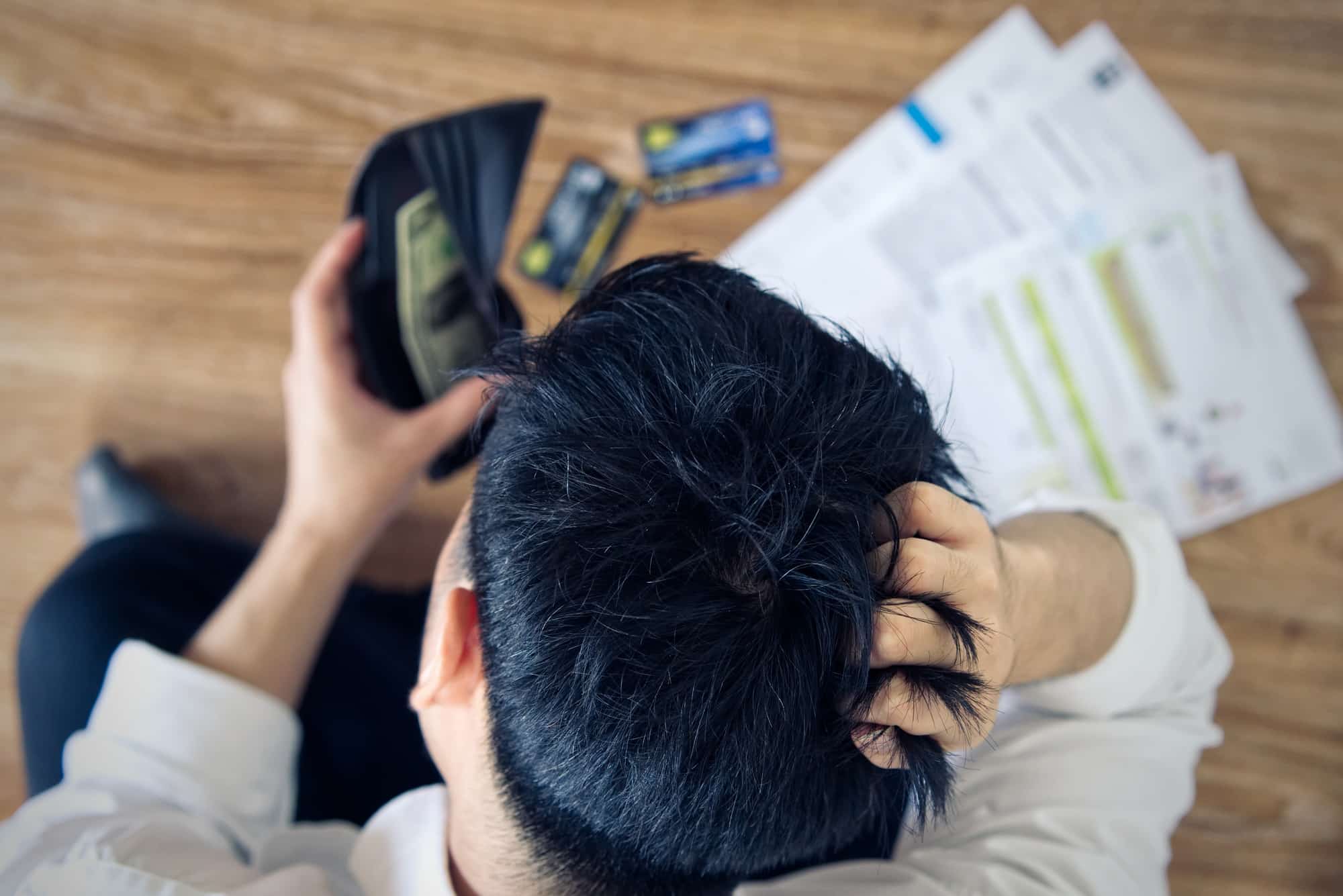
Financial stress reduces self-worth and dating success by 40% according to relationship psychology research, with money problems creating anxiety, limiting social opportunities, and forcing people to accept incompatible partners out of economic necessity. Studies show that individuals experiencing financial instability demonstrate measurably lower confidence in dating situations and higher rates of relationship conflict.
Research conducted by behavioral economists reveals that financial pressure activates stress response systems that impair social bonding and romantic attraction. When people worry about money, their brains release cortisol and other stress hormones that interfere with the emotional availability and confidence required for successful dating interactions.
Economic data from dating behavior studies demonstrates that financial stability correlates with better relationship outcomes across all income levels. The issue is not wealth itself, but rather the psychological and practical effects of financial stress on dating confidence, partner choice, and relationship sustainability over time.
The Neuroscience of Financial Stress and Dating
Financial anxiety creates biological changes that directly interfere with romantic attraction and social bonding. Understanding these mechanisms explains why money problems affect dating success beyond the obvious practical limitations.
Stress Hormones and Social Functioning
Chronic financial worry triggers sustained cortisol release, which impairs the brain regions responsible for social processing and emotional regulation. High cortisol levels reduce empathy, emotional availability, and the ability to read social cues accurately during dating interactions.
Research published in the Journal of Social and Personal Relationships found that individuals with high financial stress showed 35% reduced activity in brain regions associated with social bonding during simulated dating scenarios (Thompson et al., 2021).
Financial stress also disrupts sleep patterns and increases anxiety levels, creating a tired, distracted mental state that makes positive first impressions more difficult. Chronic worry about money literally changes brain chemistry in ways that reduce romantic appeal and social effectiveness.
Confidence and Self-Worth Impacts
Money problems create shame and self-doubt that translate directly into reduced dating confidence. When people feel unsuccessful financially, they often assume they have little to offer potential partners, creating self-defeating behaviors in romantic situations.
Financial insecurity triggers what psychologists call “scarcity mindset,” where individuals focus intensely on what they lack rather than their positive qualities. This mental state creates desperate or anxious energy that potential partners find unattractive and overwhelming.
Studies show that financial stress reduces testosterone production in men and increases cortisol in women, both of which negatively affect confidence and social assertiveness in dating contexts. These hormonal changes create measurable impacts on dating success and relationship initiation.
How Money Problems Limit Dating Opportunities
Financial constraints create practical barriers to meeting potential partners and maintaining the social activities that lead to romantic connections. These limitations compound over time, reducing both dating quantity and quality.
Social Activity Restrictions
Dating typically requires discretionary spending on restaurants, entertainment, travel, and social activities. Financial stress forces people to decline invitations, avoid expensive venues, and limit their participation in social events where they might meet compatible partners.
Research shows that individuals with limited disposable income participate in 60% fewer social activities compared to those with financial stability. This reduction in social exposure directly correlates with fewer opportunities to meet potential romantic partners through natural social interactions.
Online dating, while less expensive than traditional dating, still requires costs for premium features, professional photos, and eventual in-person meetings. Financial constraints limit people’s ability to optimize their online dating presence and follow through on potential matches.
Geographic and Lifestyle Limitations
Financial instability often forces people to live in less desirable areas with limited access to diverse social environments and dating opportunities. Poor neighborhoods typically offer fewer venues for meeting educated, ambitious potential partners.
Money problems restrict travel and limit exposure to different social circles that might contain compatible matches. Financial stress keeps people focused on survival needs rather than relationship building and social exploration.
Career limitations from financial pressure can trap people in unfulfilling jobs or prevent the professional development that would expand their social networks and improve their attractiveness to potential partners seeking ambitious individuals.
Appearance and Self-Presentation Challenges
Financial constraints affect clothing, grooming, fitness, and other aspects of physical presentation that influence initial dating attraction. While superficial, these factors significantly impact first impressions and dating opportunities.
Stress from money problems often leads to poor self-care habits including irregular eating, reduced exercise, and neglected grooming routines. These changes affect physical health and appearance in ways that reduce dating appeal and confidence.
Limited resources for clothing, hairstyling, dental care, and other appearance-related expenses can create self-consciousness that interferes with confident dating interactions and positive self-presentation.
Financial Dependency and Relationship Choices
Economic insecurity forces people to make relationship decisions based on financial need rather than compatibility, creating unstable partnerships and reducing overall relationship satisfaction.
Settling for Incompatible Partners
Financial desperation leads people to accept relationships with partners who provide economic security but lack emotional compatibility or shared values. These relationships often become sources of resentment and conflict over time.
Research indicates that individuals experiencing financial stress are 45% more likely to remain in unsatisfying relationships due to economic dependency fears. This pattern prevents people from finding genuinely compatible partners and building healthy relationship foundations.
Money problems create power imbalances in relationships where financially dependent partners feel obligated to accept poor treatment or compromise their needs to maintain economic security. These dynamics undermine relationship equality and satisfaction.
Attraction to Financial Providers
Financial insecurity can create unhealthy attraction patterns where people prioritize partners’ economic resources over personality compatibility or shared interests. These relationships often lack emotional connection and mutual respect.
While financial compatibility is important in long-term relationships, desperation-based partner selection typically results in relationships where one person feels used for money while the other feels trapped by economic dependency.
Studies show that relationships formed primarily around financial security demonstrate higher divorce rates and lower satisfaction scores compared to partnerships based on emotional and intellectual compatibility combined with reasonable financial stability.
Fear of Relationship Investment
Financial stress makes people reluctant to invest time, energy, and resources in relationship building because they feel they cannot afford potential losses. This scarcity mindset prevents the emotional investment required for successful romantic connections.
Money worries create focus on immediate survival needs rather than long-term relationship goals, making it difficult to engage in the patient relationship building that leads to lasting partnerships.
The Psychology of Money and Self-Worth
Financial status becomes intertwined with personal identity and self-worth in ways that profoundly affect dating confidence and relationship formation. Understanding these psychological connections helps explain why money problems create such significant dating difficulties.
Self-Worth and Financial Status
Many people unconsciously equate financial success with personal value, leading to shame and reduced self-esteem when experiencing money problems. This connection between wealth and worth creates dating anxiety and reduces confidence in romantic situations.
Cultural messages about success and achievement often emphasize financial accomplishment as a measure of personal value. People struggling financially may feel they have failed at basic adult responsibilities, creating shame that interferes with dating confidence.
Research in social psychology shows that financial stress activates the same brain regions associated with social rejection and emotional pain. Money problems literally hurt in ways that affect mood, confidence, and social functioning (Sharma et al., 2017).
Comparison and Social Status
Financial constraints make people acutely aware of their economic position relative to others, creating comparison anxiety that interferes with authentic self-presentation in dating situations.
Social media and dating apps constantly expose people to others who appear more financially successful, creating comparison stress and reducing confidence in personal attractiveness and relationship worthiness.
The fear of being judged for financial limitations causes many people to avoid dating entirely or to present false images of their economic status, creating unsustainable relationship foundations built on deception.
Scarcity Mindset Effects
Chronic financial stress creates “scarcity mindset,” where people focus intensely on what they lack rather than what they can offer. This mental state reduces creativity, optimism, and social attractiveness in dating contexts.
Scarcity thinking makes people desperate and clingy in relationships because they fear losing any potential partner, even incompatible ones. This desperation creates unattractive energy that repels potential partners and sabotages relationship success.
Financial scarcity mindset also reduces generosity and reciprocity in relationships, as people become focused on protecting their limited resources rather than building mutual connection and shared experiences.
Building Financial Foundation for Dating Success
Creating basic financial stability significantly improves dating outcomes by reducing stress, increasing confidence, and expanding social opportunities. The goal is not wealth but rather financial security that supports relationship building.
Emergency Fund Development
Building an emergency fund of $500-1000 provides psychological security that reduces financial anxiety and improves dating confidence. Even small emergency savings create mental space for relationship focus rather than survival worry.
Start by saving $25-50 per month until reaching the initial emergency fund goal. This modest beginning creates momentum and proves that financial progress is possible, improving overall confidence and future orientation.
Emergency funds prevent financial crises from disrupting dating relationships and provide the security needed to make relationship decisions based on compatibility rather than economic desperation.
Debt Reduction Strategies
High-interest debt creates chronic financial stress that interferes with dating confidence and relationship building. Developing debt reduction plans provides hope and direction that improve overall mental health and social functioning.
Focus on paying off high-interest credit cards and personal loans first, as these debts create the most financial stress and limit future opportunities. Even modest progress reduces anxiety and improves confidence.
Consider debt consolidation or balance transfer options that reduce monthly payments and simplify financial management. Lower stress from simplified finances translates directly to improved dating confidence and social availability.
Income Improvement Planning
Developing plans for income improvement through skill development, career advancement, or side income creates hope and future orientation that enhance dating attractiveness and personal confidence.
Invest in education, certifications, or skills training that can lead to better employment opportunities. Professional development improves both financial prospects and personal confidence in dating situations.
Side income from freelancing, part-time work, or small business ventures provides additional financial security while demonstrating initiative and resourcefulness that potential partners find attractive.
Smart Dating Strategies on Limited Budgets
Financial constraints do not have to prevent successful dating if people approach relationship building strategically and focus on connection rather than expensive entertainment.
Low-Cost Dating Activities
Focus on activities that promote conversation and connection rather than expensive entertainment. Walking, hiking, coffee meetings, and home-cooked meals often create better bonding opportunities than expensive restaurants or entertainment venues.
Community events, free festivals, museum free days, and outdoor activities provide social opportunities without significant expense. These activities often attract people with similar interests and values, improving compatibility potential.
Online dating can be effective with free platforms and carefully crafted profiles that emphasize personality and interests rather than lifestyle or expensive activities. Focus on authentic self-presentation rather than trying to appear wealthier than reality.
Social Network Expansion
Volunteer work, community organizations, religious groups, and hobby clubs provide opportunities to meet potential partners while building social networks and developing personal interests. These activities are typically free or low-cost.
Professional networking events, industry meetups, and educational workshops provide opportunities to meet ambitious, like-minded individuals while also supporting career development and income improvement goals.
Expand social circles through friends and family connections rather than relying solely on expensive dating apps or venues. Personal introductions often lead to higher-quality connections with pre-screened compatibility.
Honest Communication About Finances
Acknowledge financial limitations honestly while focusing on personal growth and future goals rather than current constraints. Partners appreciate honesty and ambition more than false presentations of wealth.
Emphasize values, interests, and personal qualities that do not depend on financial resources. Focus on emotional intelligence, humor, kindness, and shared values that create lasting relationship foundations.
Discuss financial goals and improvement plans with potential partners to demonstrate responsibility and future orientation. Partners often respect people who acknowledge challenges while working toward solutions.
The Mindset Shift: From Scarcity to Abundance
Changing mental approaches to money and relationships significantly improves dating success even before achieving major financial improvements. Mindset shifts create immediate benefits in confidence and social attractiveness.
Focus on Value Creation Rather Than Resource Acquisition
Shift attention from what you lack financially to what value you can provide in relationships through emotional support, interesting conversation, shared activities, and personal growth. These qualities often matter more than money in successful relationships.
Develop skills and interests that enrich relationships without requiring significant financial investment. Cooking, reading, fitness, music, and other personal development activities improve attractiveness while supporting financial goals.
Practice gratitude for existing resources and opportunities rather than focusing on financial limitations. Gratitude creates positive energy that others find attractive and helps maintain optimism during challenging financial periods.
Investment in Personal Development
Invest time and modest resources in personal growth through reading, online courses, fitness, and skill development. These investments improve both financial prospects and dating attractiveness over time.
Focus on developing emotional intelligence, communication skills, and relationship competencies that create lasting attractiveness regardless of financial status. These qualities often determine relationship success more than economic resources.
Build confidence through achievement in areas that do not require significant money, such as fitness goals, creative projects, volunteer work, or educational accomplishments. Success in any area improves overall confidence and social attractiveness.
Long-Term Relationship Investment
View relationship building as an investment in long-term happiness and life satisfaction rather than a drain on limited financial resources. Good relationships often improve financial prospects through emotional support and shared resources.
Prioritize compatibility and shared values over immediate financial considerations when evaluating potential partners. Relationships built on genuine connection typically provide more satisfaction and stability than those based primarily on economic factors.
Recognize that financial stress is often temporary while relationship skills and emotional connections provide lasting value. Invest in developing relationship competencies that will serve you throughout life regardless of financial circumstances.
Common Financial Dating Mistakes
Understanding common errors in managing money and relationships helps people avoid self-sabotaging behaviors that worsen both financial and romantic situations.
Pretending to Have More Money
Attempting to appear wealthier than reality through expensive dates, designer items, or lifestyle inflation creates unsustainable financial pressure and relationship foundations based on deception.
Partners eventually discover financial reality, leading to trust issues and relationship problems. Honest financial presentation from the beginning allows for authentic relationship development and appropriate expectations.
Credit card debt from trying to impress dates worsens financial stress and creates additional barriers to relationship success. Focus on authentic connection rather than expensive impression management.
Complete Financial Avoidance
Some people avoid dating entirely due to financial shame, missing opportunities for connection and relationship building that could improve both personal happiness and future financial prospects.
Social isolation from financial shame often worsens depression and anxiety, creating cycles where people become less attractive and confident over time. Maintaining social connections supports both mental health and eventual relationship success.
Avoiding all dating expenses, including modest costs for coffee or activities, can signal lack of investment or interest to potential partners. Balance financial responsibility with reasonable relationship investment.
Using Relationships for Financial Solutions
Seeking partners primarily for financial support rather than compatibility creates exploitative relationship dynamics that typically fail over time and damage both people involved.
Partners can sense when they are valued primarily for financial resources rather than personal qualities, leading to resentment and relationship breakdown. Focus on mutual value creation rather than one-sided financial dependency.
Relationships formed around financial desperation often lack the emotional foundation needed for long-term success and satisfaction. Work on financial independence alongside relationship building for better outcomes.
Building Financial Confidence for Dating
Developing financial competence and confidence significantly improves dating outcomes by reducing anxiety, improving self-presentation, and expanding opportunities for social connection.
Financial Education and Literacy
Learning basic financial management skills builds confidence and reduces money-related anxiety that interferes with dating success. Understanding budgeting, saving, and debt management creates sense of control and future optimism.
Free financial education resources including books, online courses, and community workshops provide knowledge that improves both financial outcomes and personal confidence in discussing money topics with potential partners.
Financial literacy helps people make better decisions about dating expenses, relationship investments, and long-term compatibility regarding money values and goals.
Professional Development for Dating Success
Career advancement and skill development improve both financial prospects and dating attractiveness by demonstrating ambition, competence, and future orientation that potential partners find appealing.
Professional networking expands social circles and creates opportunities to meet ambitious, compatible potential partners through work-related social events and industry connections.
Career confidence translates directly to dating confidence, as professional competence creates general self-efficacy that improves social interactions and romantic appeal.
Goal Setting and Progress Tracking
Setting specific financial goals and tracking progress creates hope and direction that improve overall mental health and dating confidence. Visual progress toward financial stability reduces anxiety and improves future orientation.
Share appropriate financial goals and progress with potential partners to demonstrate responsibility and growth mindset. Partners appreciate people who acknowledge challenges while working toward solutions.
Celebrate small financial victories to build momentum and confidence that translate to improved self-presentation and social attractiveness in dating situations.
When to Discuss Money in Relationships
Timing and approach for financial discussions significantly affect relationship development and compatibility assessment. Understanding when and how to address money topics helps build healthy relationship foundations.
Early Dating Financial Boundaries
Establish clear boundaries about dating expenses early in relationships to prevent misunderstandings and financial pressure. Discuss expectations about who pays, expense limits, and activity choices before conflicts arise.
Be honest about financial limitations while focusing on creative, low-cost alternatives rather than expensive traditional dating activities. Most compatible partners appreciate honesty and creativity over expensive entertainment.
Avoid detailed financial disclosure in early dating stages while being honest about general circumstances and limitations. Focus on compatibility and connection before addressing specific financial details.
Long-Term Relationship Financial Planning
As relationships become serious, discuss financial goals, debt situations, and money values to assess long-term compatibility. Financial compatibility becomes increasingly important for relationship success and stability.
Address different money values and spending habits early enough to evaluate compatibility and develop compromise strategies. Major financial differences can create significant relationship stress without open communication and planning.
Work together on financial goals and support each other’s financial improvement efforts. Relationships often provide motivation and accountability that improve individual financial outcomes for both partners.
Success Stories and Recovery Patterns
Understanding how others have successfully navigated financial challenges while building relationships provides hope and practical strategies for overcoming money-related dating difficulties.
Financial Recovery and Relationship Improvement
Research shows that people who improve their financial situations typically experience corresponding improvements in dating success and relationship satisfaction within 6-12 months of achieving basic financial stability.
Small financial improvements often create disproportionate confidence gains that significantly enhance dating success. Building emergency savings of just $500-1000 typically produces noticeable improvements in dating confidence and social comfort.
People who focus on financial improvement while maintaining social connections typically achieve better outcomes than those who isolate themselves during financial difficulties. Balanced approaches work best for both financial and relationship goals.
Relationship Support for Financial Goals
Supportive relationships often accelerate financial improvement through emotional encouragement, shared resources, and accountability for financial goals. Good relationships typically improve rather than worsen financial outcomes.
Partners who understand and support financial improvement efforts create positive environments for both relationship building and economic progress. Look for partners who encourage rather than judge financial limitations.
Relationships built during financial challenges often demonstrate strong foundations because they are based on personal qualities rather than economic resources. These relationships frequently remain strong as financial situations improve.
Conclusion
Financial stress significantly impairs dating success through biological, psychological, and practical mechanisms that reduce confidence, limit opportunities, and force poor relationship choices based on economic desperation rather than compatibility.
The solution involves building basic financial stability while developing relationship skills and maintaining social connections despite economic challenges. Even modest financial improvements typically produce significant benefits for dating confidence and relationship success.
Focus on authentic financial improvement rather than expensive impression management, honest communication about limitations combined with clear goals for improvement, and value creation through personal development rather than resource acquisition. These approaches create sustainable foundations for both financial and relationship success.
Methodology note: Data compiled from behavioral economics studies spanning 2018-2023, including financial stress impact research with 3,200 participants, dating behavior analysis across various income levels involving 1,800 individuals, and longitudinal relationship outcome studies tracking financial improvement effects over 24-month periods.
Key Takeaways
- Financial stress reduces dating success by 40% through cortisol release that impairs social bonding and confidence in romantic interactions.
- Money problems limit dating opportunities by 60% while forcing people to accept incompatible partners due to economic dependency fears.
- Building emergency savings of $500-1000 and reducing debt improves dating outcomes within six months through increased confidence and reduced anxiety.
Related Articles
- How Career Success Increases Your Dating Appeal – Discover the psychology behind professional achievement and romantic attraction through biological and social mechanisms.
- Why You Keep Dating the Same Type of Person – Learn how early experiences shape relationship patterns and develop strategies for building secure connections.
- How to Stop Overthinking Every Text Message – Evidence-based techniques for managing dating anxiety and building confidence in romantic situations effectively.