
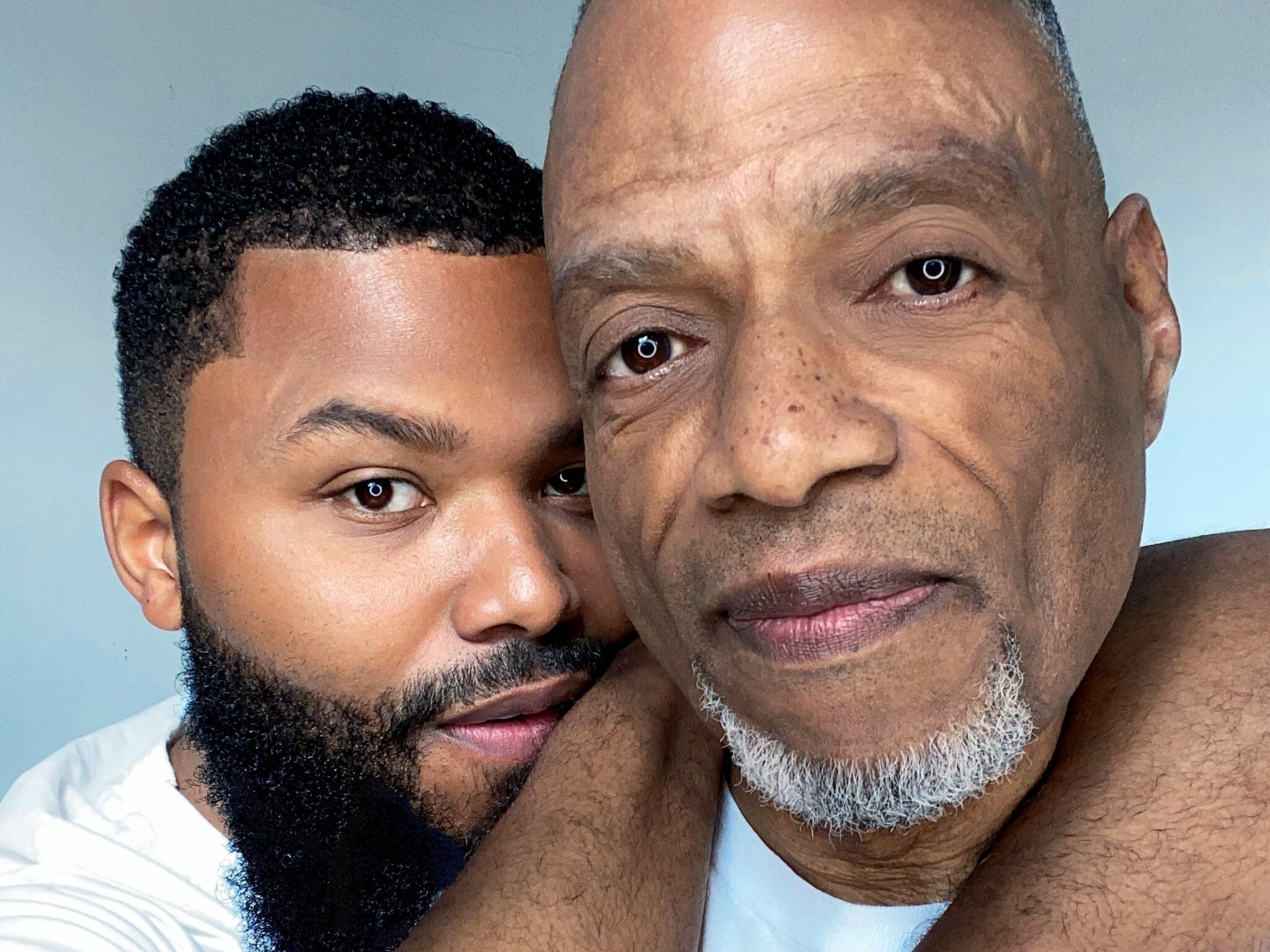
Physical Energy Differences Create Daily Friction
When partners have significant age differences, their physical energy levels often operate on completely different schedules. A 2024 Ipsos poll found that 39% of Americans view sexual energy and stamina as top benefits of dating someone 10+ years younger, but this same energy difference creates daily challenges many couples don’t anticipate.
Research shows that “when there is a significant difference in age, like 10 to 15 years or more, life experiences can be vastly different.” This translates to practical conflicts: one partner wants late nights out while the other prefers early bedtimes, or weekend adventures versus quiet relaxation. These aren’t just minor scheduling issues because they represent fundamental differences in how partners want to spend their time and energy.
Studies indicate that “different ages often come with different energy levels and interests” and “a larger age gap might mean one partner is significantly more active or faces health challenges earlier.” This creates ongoing tension where one person feels held back while the other feels pushed beyond their comfort zone.
Interest Gaps Often Widen Rather Than Close
Research conducted at Emory University found that larger age gaps may lead to differences in interests, goals, values, and lower relationship satisfaction. This challenges the assumption that couples naturally develop shared interests over time.
The problem goes deeper than simple hobby preferences. Academic research on generational differences shows that “older generations may favor face-to-face conversations, younger generations might opt for text messaging and social media interactions.” Different generations also have vastly different relationships with technology, music, entertainment, and social activities.
Studies show that “one of the primary challenges in age-gap relationships is navigating the differences in cultural references, values, and life experiences between partners from different generations.” These differences affect everything from vacation preferences to social activities to communication styles.
Social Integration Becomes Major Challenge
About 26% of respondents in research said they didn’t think they would have anything in common with someone at least a decade older or younger, and this perception extends to friends and family members who struggle to accept age gap relationships.
Studies have found that partners with more than a ten-year gap in age experience social disapproval, creating real relationship stress. Research shows that “if people in age-gap couples believe their family, friends and wider community disapprove of their union, then relationship commitment decreases and the risk of break-up increases.”
Academic research indicates that “the older partner might feel out of touch with the younger partner in terms of trends and preferred activities,” while “the younger partner might not be able to relate to certain experiences from the past.” This creates isolation where neither partner fully fits into the other’s natural social circles.
Life Stage Mismatches Create Ongoing Tension
Research shows that “a ten-year gap between a 20-year-old and a 30-year-old may bring up different challenges and issues than for a ten-year gap where one partner is 53 and the other is 63” because “each stage consists of particular life tasks we need to master.”
Studies reveal that “being in a different stage of life can present challenges” where “a difference in life stages could impact decisions about family planning, such as whether to have children and how to manage finances.” One partner may be ready to settle down while the other wants to travel and explore, or one may be winding down their career while the other is just getting started.
Research indicates that “how much the age gap between you and your partner matters can change throughout your relationship” and “might feel more significant in earlier stages of life, but becomes less noticeable as couples grow older.” However, this process often takes decades, and many couples struggle with the differences during the critical early years.
Key Takeaways
- Physical energy and interest differences in age gap relationships create systematic daily challenges that typically require active management rather than naturally resolving over time.
- Social integration difficulties affect most age gap couples, with partners struggling to fit comfortably into each other’s generational peer groups and activities.
- Life stage mismatches create ongoing tension around major decisions like career priorities, family planning, and lifestyle choices that affect relationship satisfaction long-term.
FAQs
How do energy level differences affect daily life in age gap relationships?
Energy differences create conflicts over sleep schedules, weekend activities, and social events. Younger partners typically want later nights and more active pursuits, while older partners may prefer early bedtimes and lower-energy activities. These differences require compromise and creative scheduling to avoid daily friction.
Why don’t age gap couples naturally develop shared interests over time?
Research shows interest gaps often persist because partners are in different life development stages. Younger partners are exploring new hobbies and career paths, while older partners have established preferences. Generational differences in technology, music, and cultural references also create ongoing barriers to natural interest alignment.
What makes some age gap relationships successful despite energy and interest differences?
Successful couples actively work to bridge gaps by finding new shared activities, respecting individual interests, and planning for future energy changes. They also establish boundaries with judgmental friends and family while maintaining open communication about expectations and concerns throughout their relationship evolution.